
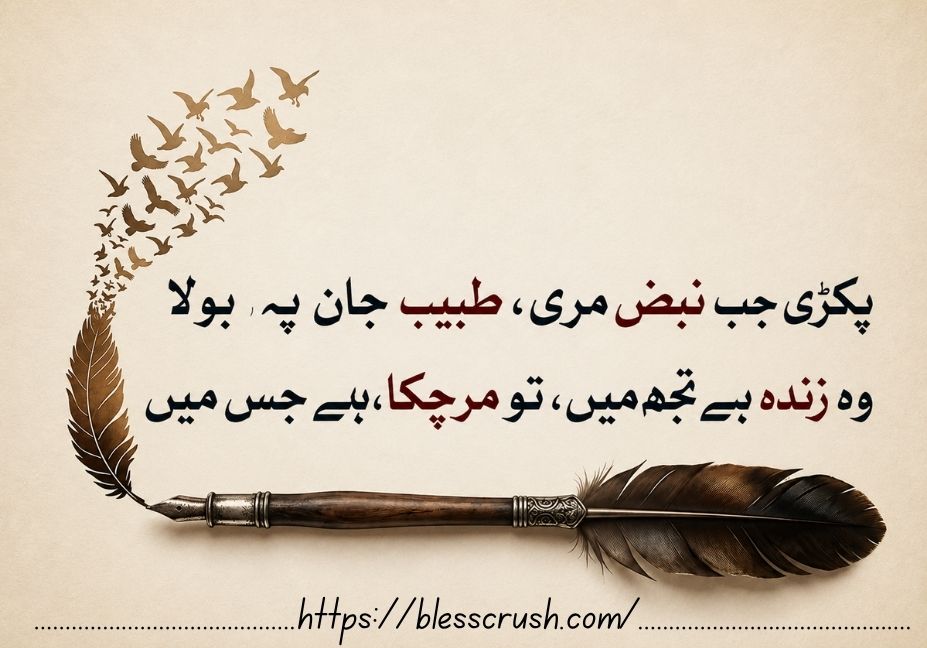
2 line sad Urdu poetry, also called do misray ki shayari or sad sher, is a two-line couplet that expresses deep emotions loss, longing, heartbreak, and loneliness in the fewest possible words. It is one of the most shared forms of Urdu shayari on social media and messaging apps today.
There is something about sadness that refuses to be explained. You can spend an hour trying to describe how you feel to someone who loves you, and still walk away feeling misunderstood. But then you read two lines of Urdu poetry and suddenly, everything is said.
That is the miracle of 2 line sad Urdu poetry.
In the Urdu literary tradition, a sher a self-contained couplet is considered one of the highest forms of poetic expression. Poets like Faiz Ahmed Faiz, Jaun Elia, Mirza Ghalib, and Parveen Shakir spent entire lifetimes mastering the art of saying the most in the least. Their two-line verses on dard (pain), tanhai (loneliness), judai (separation), and intezaar (waiting) continue to be shared, recited, and wept over generations later.
This collection brings you the finest sad poetry in Urdu 2 lines organized clearly, written with meaning, and explained so you truly feel what the poet intended.
What Is 2 Line Sad Urdu Poetry and Why Does It Connect So Deeply?
2 line sad Urdu poetry is a couplet two metered lines that carries a complete emotional thought. Unlike a long nazm or ghazal, the sher stands entirely on its own. It needs no context, no backstory. It simply arrives and opens something inside you.
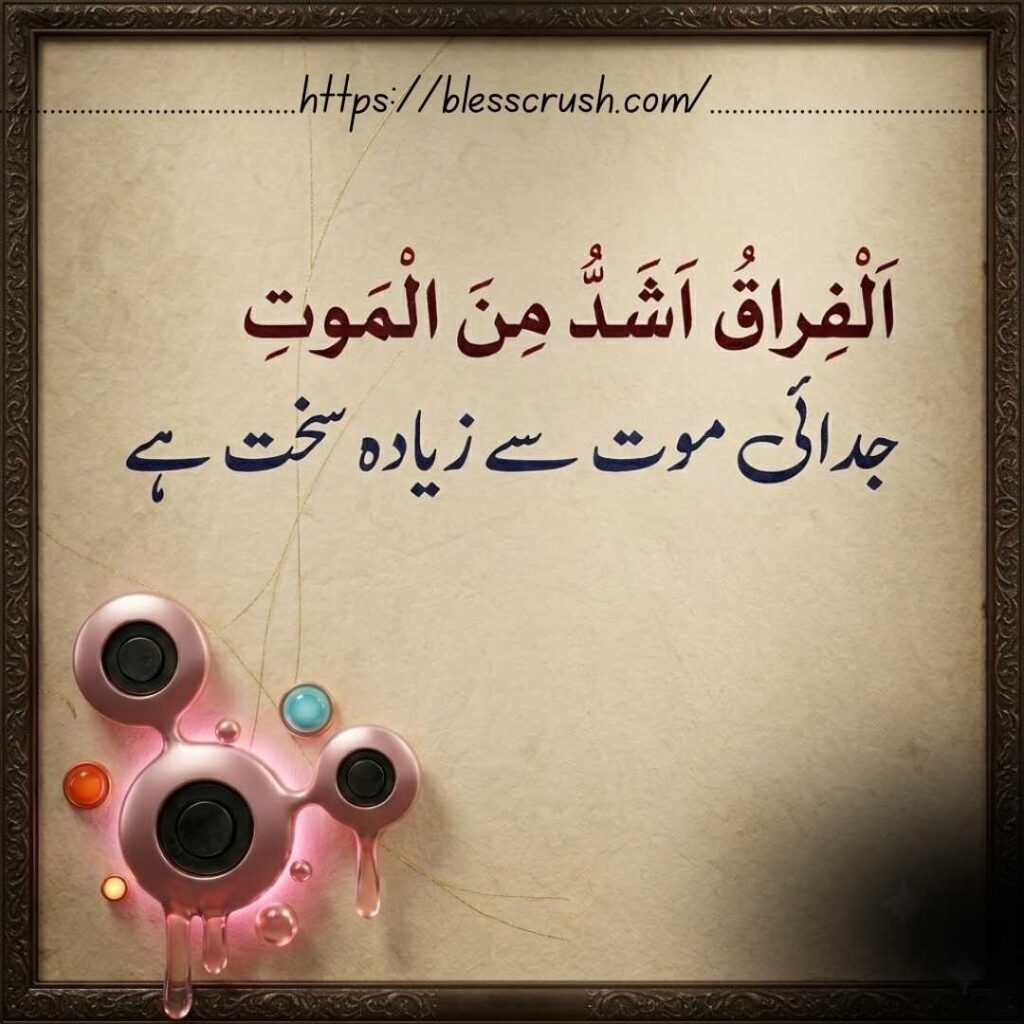
The reason this format connects so deeply comes down to compression. Grief, at its most honest, is not complicated. It is total. Two lines can hold that totality without dressing it up or explaining it away.
There is also the matter of recognition. When a poet compresses your private pain into two short lines, you experience what readers of Urdu literature call wah that moment of stunned acknowledgment where you feel truly seen. Someone else has been here. Someone else found the exact words you could not.
This is why sad shayari in 2 lines spreads so naturally across WhatsApp, Instagram, and Facebook. It is short enough to share and powerful enough to stop someone mid-scroll.
||Also read Toxic Person Rudeness Quotes That Actually Shut Them Up (2026)
The Best 2 Line Sad Urdu Poetry Collection
Below is a carefully curated collection of the most emotionally resonant two-line sad Urdu poetry. Each sher is presented in Urdu script, Roman Urdu, and with its emotional core explained.
نہیں ہے اب کوئی شکایت تم سے
تو رکھ دوسروں کو خوش، ہم تنہا ہی اچھے ہیں
Nahi hai ab koi shikayat tum say To rakh dusron ko khush, hum tanha hi achay hain
This is the poetry of quiet surrender. No anger. No demand. Just someone who has stopped expecting and found a strange peace in solitude. Readers connect with this sher because it captures the exact moment when hurt turns into acceptance.
خاموشیاں بے وجہ نہیں ہوتی
کچھ درد آواز چین لیتے ہیں
Khamoshiyan be wajah nahi hoti Kuch dard awaaz cheen lete hain
Silence is never emptiness. This verse understands what most people miss that some pain is so loud internally, it takes away the ability to speak. The person goes quiet not because they have nothing to say, but because the dard has consumed everything.
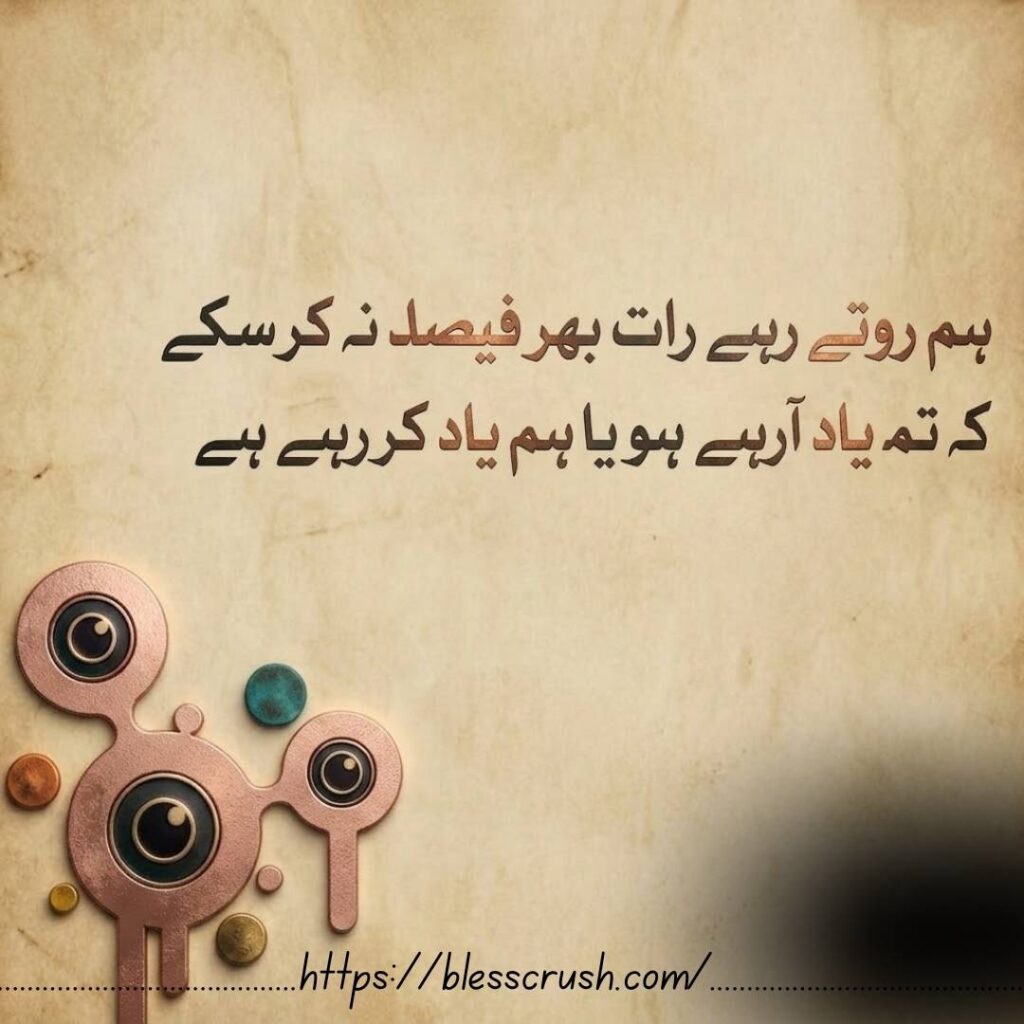
ہم روتے رہے رات بھر فیصلہ نہ کر سکے
کہ تم یاد آرہے ہو یا ہم یاد کر رہے ہیں
Hum rotay rahe raat bhar faisla na kar sake Ke tum yaad aa rahe ho ya hum yaad kar rahe hain
One of the most emotionally honest verses in this entire genre. The poet cried all night but could not decide was the memory coming uninvited, or were they choosing it? That confusion is the whole tragedy of missing someone. It is so true it feels like a confession.
پھر یوں ہوا کہ صبر کی انگلی پکڑ کے
ہم اتنا چلے کہ راستے حیران رہ گئے
Phir yun hua ke sabr ki ungli pakar ke hum Itna chale ke raste hairan reh gaye
There is quiet strength here. The poet survived not by fighting, but by enduring holding the hand of patience and walking. Walking so far that even the roads were surprised. This sher is deeply popular among people who have come through a long, difficult period.
تیرے بدلنے کا دکھ نہیں ہے
میں اپنے اعتبار پر شرمندہ ہوں
Tere badalnay ka dukh nahi hai Main apne aitbaar par sharminda hoon
This is mature grief. The poet is not angry at the person who changed. They are ashamed of their own trust. This captures the specific sadness that comes after the anger has already passed when you are left only with the question of why you believed.
آج دل اداس ہے اور وجہ
معلوم ہوتے ہوئے بھی نہیں معلوم
Aaj dil udaas hai Aur wajah maloom hotay huye bhi nahi maloom
Perhaps the most universally shared sad sher of the digital era. We have all experienced this sad without a clear reason, or sad with a reason we refuse to look at directly. Two lines. No explanation needed.
ویرانی اندر کی ایک قلب جانے، ایک رب جانے
Weerani andar ki Ek qalb jaane, ek Rab jaane
This is inner desolation at its most private. The emptiness inside is known only to the heart that carries it and to God. It is a deeply spiritual sher that resonates with anyone who has felt utterly alone despite being surrounded by people.
||Also read 950+ Soulmate Romantic Birthday Wishes for Husband From Wife 2026
Faiz Ahmed Faiz — Sad Urdu Poetry That Gives Pain a Shape
Faiz Ahmed Faiz is one of the greatest Urdu poets of the twentieth century. His sad shayari carries a rare quality it acknowledges grief completely while still pointing toward something beyond it. His verses on heartbreak and loss feel both personal and universal at the same time.
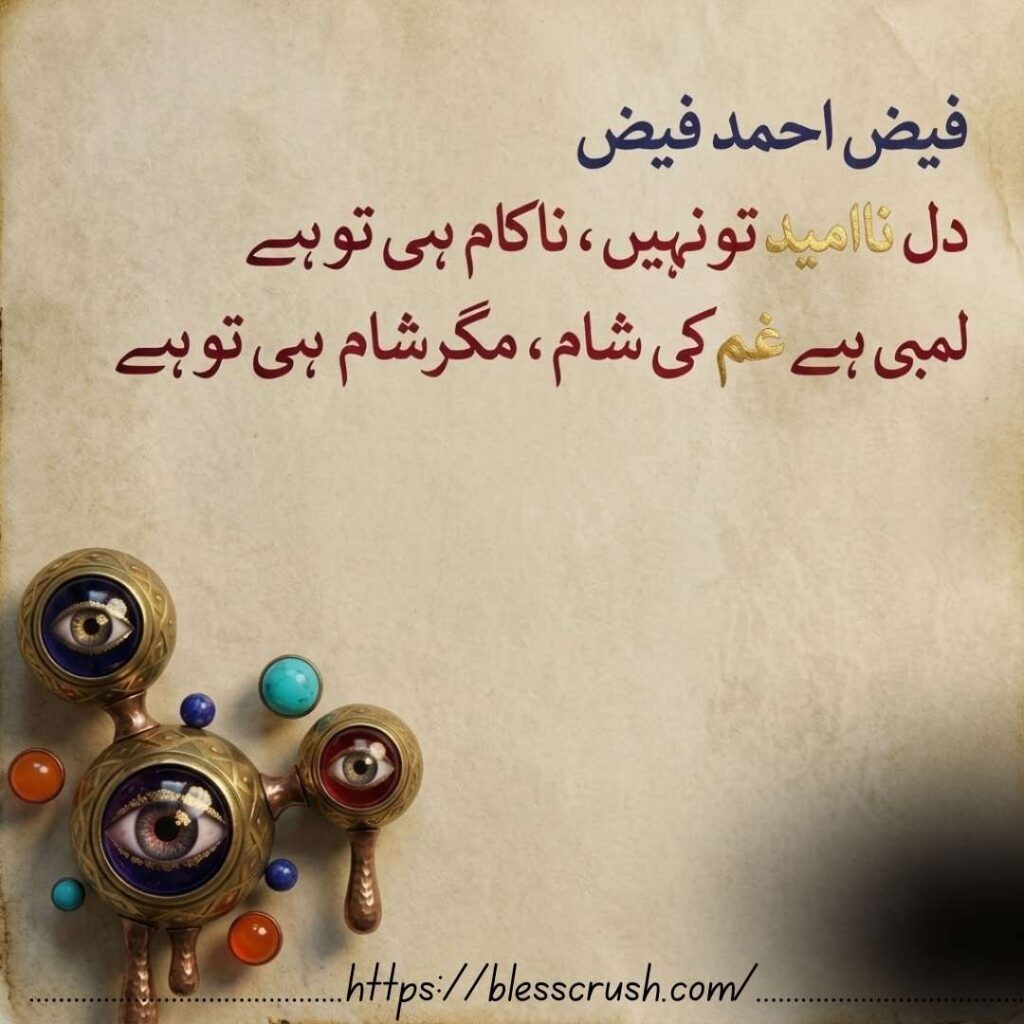
دل ناامید تو نہیں، ناکام ہی تو ہے لمبی ہے
غم کی شام، مگر شام ہی تو ہے
Dil na-umeed to nahi, nakaam hi to hai Lambi hai gham ki shaam, magar shaam hi to hai
This is perhaps the most quoted Faiz sher on sadness. The heart has not lost hope it has simply lost this round. The evening of sorrow is long, but it is still an evening. It will pass. Faiz gives pain a shape here, and then quietly reminds you that shape has an end.
ہم تو سمجھے تھے کہ اک زخم ہے، بھر جائے گا
کیا خبر تھی کہ رگ جاں میں اتر جائے گا
Hum to samjhe the ke aik zakham hai, bhar jaayega Kya khabar thi ke rag-e-jaan mein utar jaayega
You thought it would heal. You gave it time. Instead, the wound went deeper into the veins, into the pulse of life itself. Anyone who has carried grief for years without it fading recognizes this sher immediately.
Jaun Elia — 2 Line Sad Urdu Poetry With Raw Honesty
Jaun Elia wrote unlike anyone else in Urdu literature. His sad poetry does not comfort it confronts. He drags the reader into chaos and makes you feel it as your own. His two-line verses are among the most shared sad shayari in Urdu today.
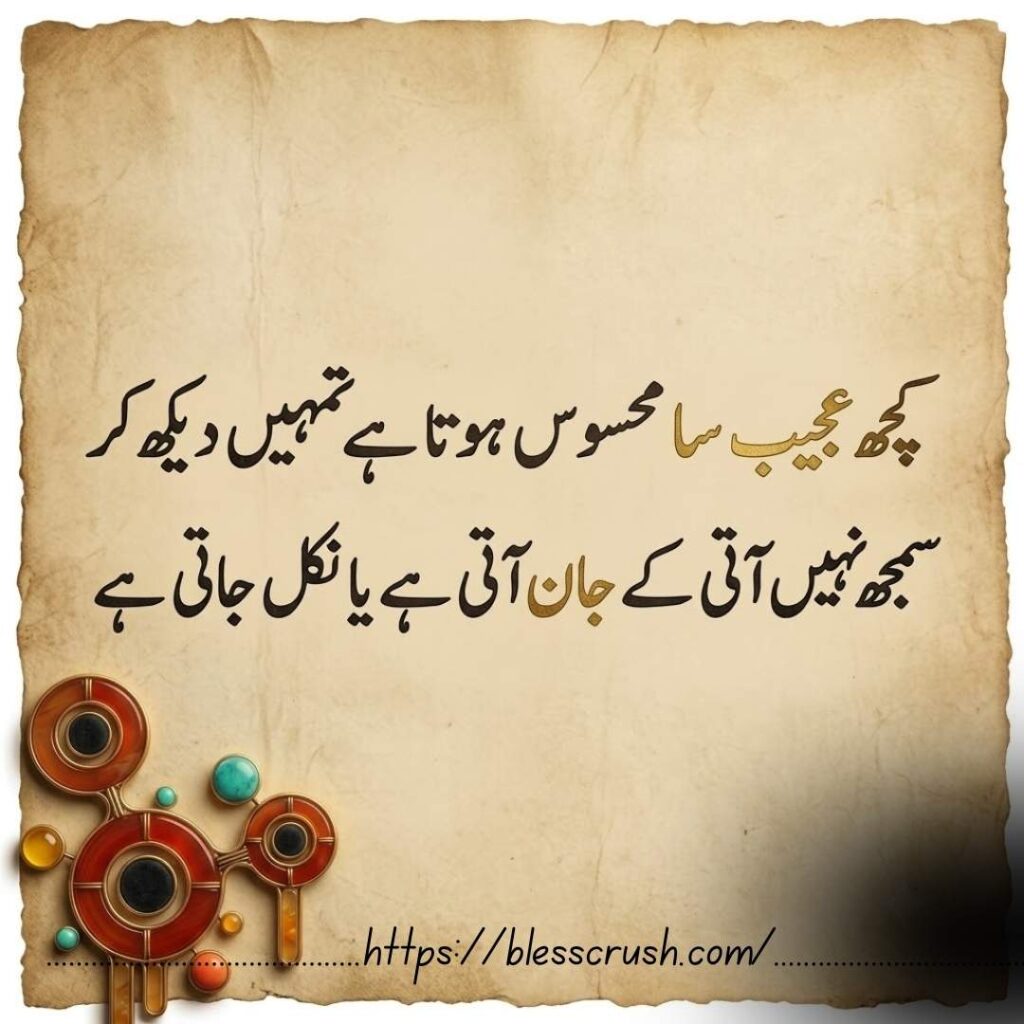
کچھ عجیب سا محسوس ہوتا ہے تمہیں دیکھ کر
سمجھ نہیں آتی کہ جان آتی ہے یا نکل جاتی ہے
Kuch ajeeb sa mehsoos hota hai tumhein dekh kar Samajh nahi aati ke jaan aati hai ya nikal jaati hai
Pure Jaun. Seeing someone you love deeply is simultaneously life-giving and devastating. Life or death both happen in one glance. This verse has circulated across social media for years because it captures something no other poet has found the exact words for.
یک دن کہو گے اسے کیا ہوا
کل ہی تو بات ہوئی تھی ہماری
Ek din kaho ge, ise kya hua Kal hi to baat hui thi hamari
Jaun imagines his own disappearance the day someone will be surprised he is gone. It is not self-pity. It is philosophical, almost calm. And that calm is what makes it so unsettling.
||Also read Sweet African American Sunday Blessings for Peace
2 Line Sad Urdu Poetry in Roman Urdu Reaching Every Reader
Not everyone who feels Urdu poetry can read the Urdu script. Millions of Pakistanis, Indians, and members of the diaspora in the UK, US, Canada, and the Gulf understand spoken Urdu but grew up reading in English or Roman script.
Roman Urdu writing Urdu in the English alphabet has made sad shayari accessible to an entirely new generation. Young people who connect with dard and tanhai but struggle with Nastaliq script can now read, share, and feel these verses without barriers.
Critics sometimes dismiss Roman Urdu as lesser. However, when a person at 2am needs to read something that truly understands them, the script is a technicality. The feeling is what matters. Two-line sad poetry in Roman Urdu is now one of the most searched poetry formats on Google particularly among younger readers.
Why Sad Poetry in Urdu Resonates More Than Happy Poetry
This question deserves an honest answer. Why do people reach for sad Urdu shayari more often than joyful verses? Why does a sher about judai hit harder than one about celebration?
First, vulnerability. Happy moments are easy to perform and share. Sadness is private. It lives in the parts of us we do not show. When a poet captures that private pain in two lines, it creates a recognition that feels almost sacred.
Second, universality. The specific details of joy differ your happiness belongs to your particular life. But dard has a common grammar across all lives. Loss is loss. Loneliness is loneliness. A sher written in Lahore in 1960 lands with full force in a reader sitting alone in London in 2025.
Third, transformation. The best sad poetry does not encourage you to stay in pain. It transforms pain into something that can be held, examined, and then slowly released. That is what Faiz meant when he wrote that the evening of sorrow is long, but it is still only an evening.
Frequently Asked Questions About 2 Line Sad Urdu Poetry
What is 2 line sad Urdu poetry called? Two-line Urdu poetry is called a sher or couplet. When it appears within a longer poem, it is part of a ghazal. A standalone two-line verse is also called do misray ki shayari in everyday Urdu.
Who is the best poet for sad Urdu shayari in 2 lines? Faiz Ahmed Faiz, Jaun Elia, Mirza Ghalib, Parveen Shakir, and Ahmad Faraz are considered the greatest poets of sad Urdu shayari. Jaun Elia in particular is known for raw, confessional two-line verses.
Where can I use 2 line sad Urdu poetry? These shers are widely used as WhatsApp status, Instagram captions, Facebook posts, and profile bios. They are also shared at poetry gatherings (mushairas) or simply kept privately as personal anchors during difficult times.
What does sad Urdu poetry cover besides love? While love and heartbreak are common themes, sad Urdu poetry also covers loneliness (tanhai), existential loss, separation (judai), waiting (intezaar), social injustice, grief over death, and inner spiritual emptiness. The emotional range is wide.
Is Roman Urdu poetry the same as Urdu script poetry? The language and meaning are identical. Roman Urdu simply uses the English alphabet to write Urdu words, making the same poetry accessible to readers who do not read Nastaliq script fluently.
A Final Note Find Your Line
Every person who reads through a collection like this eventually stops at one sher and reads it twice. Then a third time. Something in it answers a question they did not know they were asking.
That is the true purpose of 2 line sad Urdu poetry. It is not performance. It is a mirror. And when you find the two lines that show you your own face keep them. They belong to you now.
Sadness shared through poetry becomes something else. It becomes proof that you are not alone in what you feel. And that is no small thing.